BESS facilities generally use lithium-ion to store the electricity until it is ready to be distributed to the network. BESS facilities allow energy generated from another source (such as a solar farm) to be stored until it is needed. BESS facilities improve grid reliability by storing low-cost electricity when there is an oversupply of electricity or during periods of low demand/high generation so that electricity is available when demand is higher. In fact, BESS can reduce electricity costs for communities by lowering peak demand charges and providing access to cheaper electricity during off-peak hours. The fast response capability of BESS also offers ancillary services to keep power quality in the grid at a standard level. Additionally, BESS can act as a backup power source during emergencies like bushfires, ensuring that critical infrastructure (hospitals, emergency services, water systems) remains operational even if the grid is disrupted.
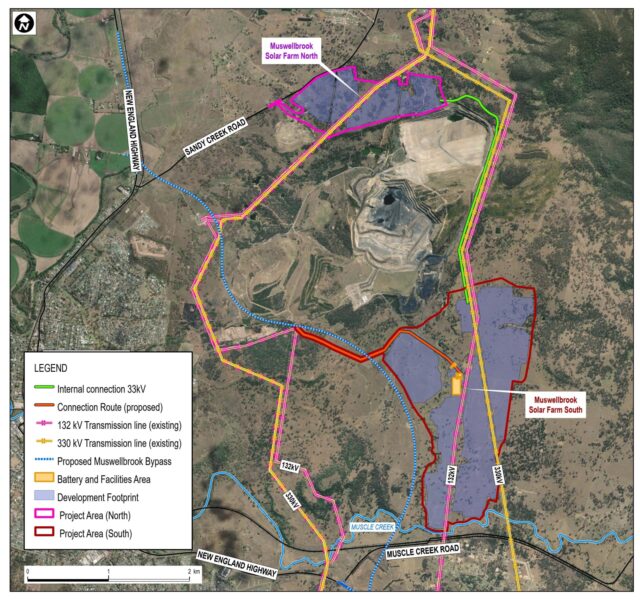
BESS facilities contain several key components, including battery units, inverters and transformers. The final composition of a BESS facility will depend on the BESS technology being used, the BESS supplier and the size of the facility. Where possible, BESS facilities are co-located with or near a grid connection point (such as a terminal station), therefore minimising the need for additional connection infrastructure.
Large-scale BESS facilities are expected to have an operational life of approximately 15 to 20 years and are typically monitored remotely, without the requirement for permanent staff on site. Staff are, however, required to access the site from time to time to undertake inspection and maintenance activities.